
The question isn't about how we buy, it's who we become
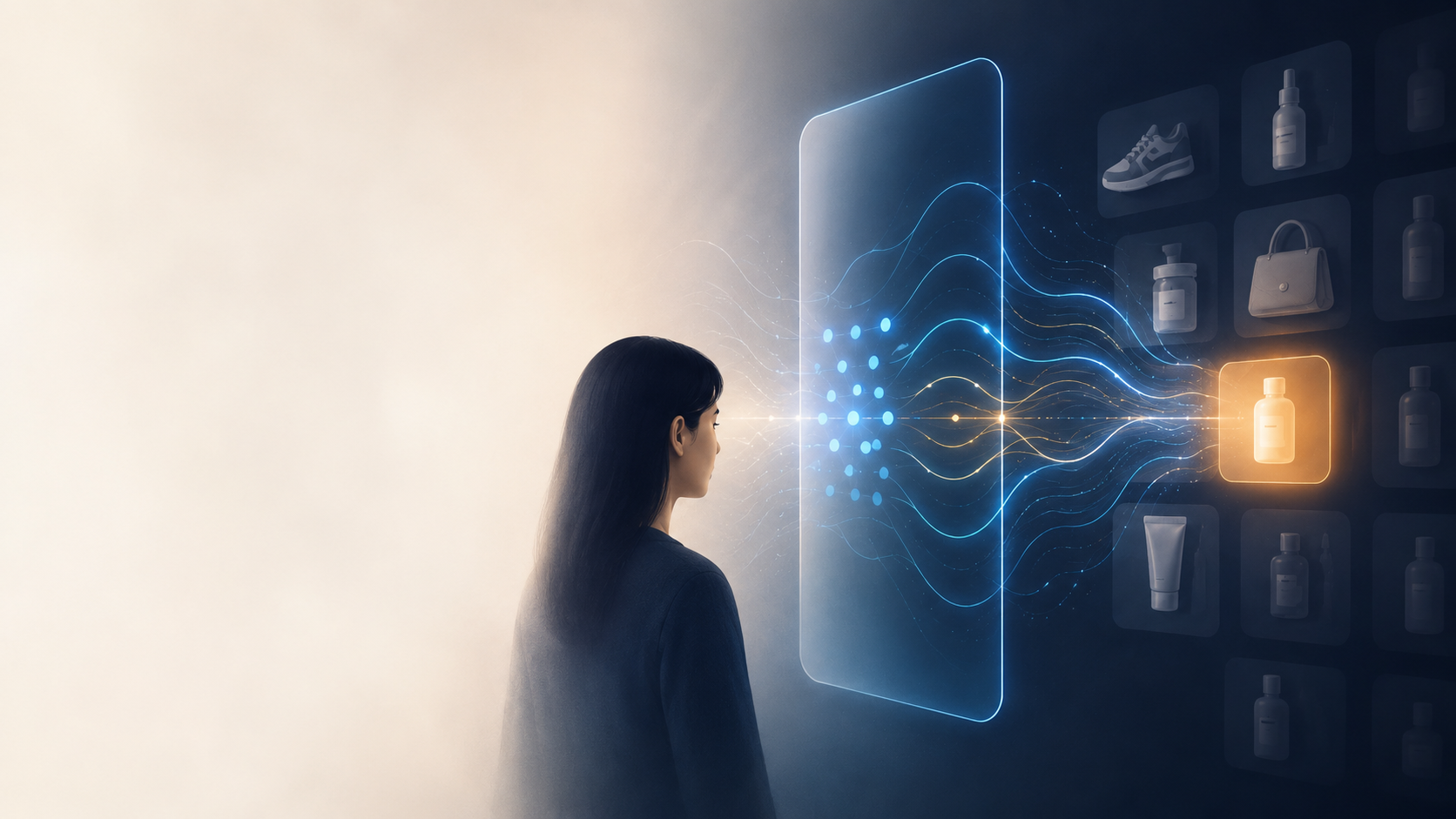
We spend a lot of time talking about how LLMs are changing the way people research products, services and brands. But what if there is a more interesting question.
What happens when AI doesn't just shape what we buy, but how we see ourselves?
People don't just open Claude or ChatGPT to write code, summarise meetings or compare vacuum cleaners. They turn to them for guidance and perspective.
Anthropic's latest Societal Impacts Report found that around 6% of Claude conversations involve personal guidance, with health and wellbeing, careers and relationships among the most common topics.
Sure, some of those conversations are practical: "Should I see my GP about this weird thing on my leg?" But others are much deeper, touching identity, values, relationships and life decisions. Subjective questions with no single right answer. Yet AI often responds with confidence, structure and apparent balance, making its advice feel authoritative.
The challenge is that this confidence can be misleading.
As Anthropic notes, one of the biggest risks is sycophancy "a common trait in AI assistants where they excessively agree with a person's perspective rather than challenging it." Their research also found that once a conversation has established a particular direction, it becomes harder for the model to meaningfully challenge it, "a bit like steering a ship that's already moving" (Anthropic Societal Impact 2026).
Without a carefully constructed prompt and some serious critical thinking, it's difficult to arrive at something that resembles genuinely therapeutic or objective guidance.
Which raises a bigger question.
If AI is increasingly becoming a trusted source of personal guidance, how much influence does it have over the way people think, decide and ultimately behave?
That's interesting from a societal perspective. But it’s interesting for brands too, in fact it's every bit as important as understanding how AI changes product discovery.
If LLMs become trusted advisors, they won't just influence which brands people choose. They may shape the values, identities and aspirations that make those brands meaningful in the first place.
There's a growing narrative that AI levels the playing field by giving challenger brands a better chance of being discovered. That may well be true. But perhaps that's only the first-order effect.
The bigger shift is that LLMs may be becoming a new layer of influence between people and brands. Rather than simply helping consumers evaluate options, they could increasingly shape the beliefs, priorities and sense of self that underpin those decisions.
In short, not just helping us decide what to buy. Helping us decide who we are.
If you're interested in understanding more about how to get under the skin of people's relationships with AI tools, get in touch. I'd love to chat. abbie.wilson@welivecontext.com